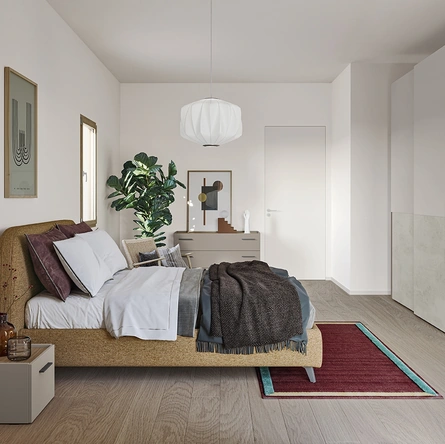
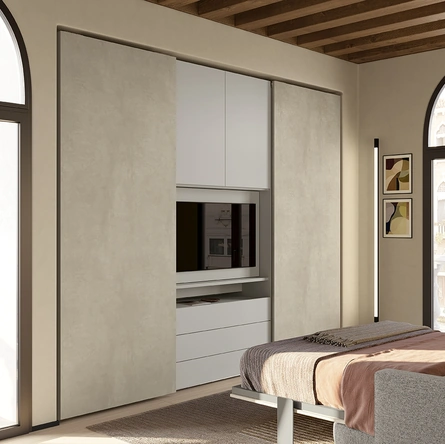
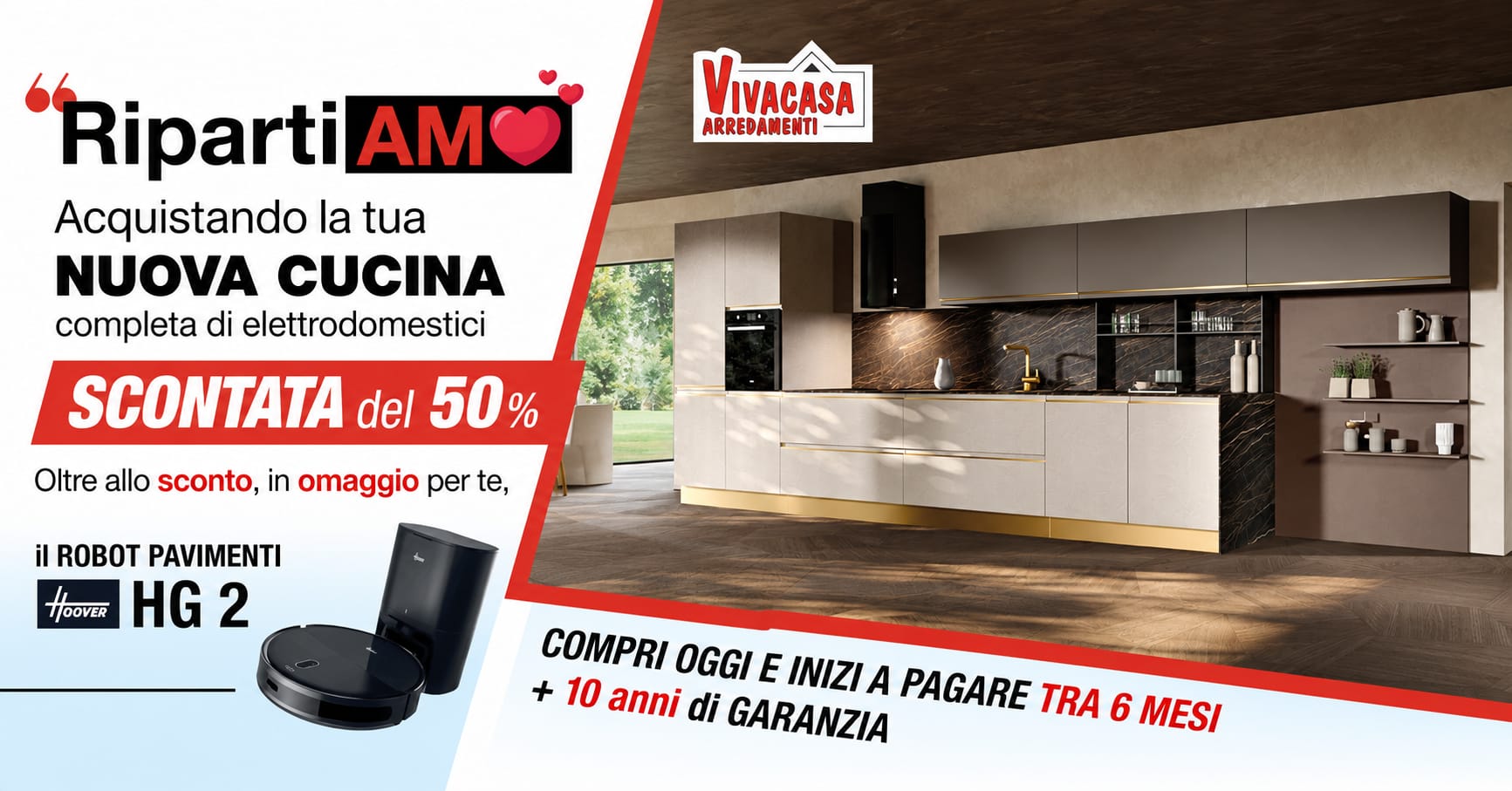
L'armadio Giessegi Four \u00e8 personalizzabile nelle dimensioni e finiture?
S\u00ec, presso Home Srls
O.V.O.V. The Best and Most Effective Way to Get Rid of These Dreaded Creatures. If you are reading this article, chances are that you have already tried some home remedies to get rid of these pests, but they just keep coming back. It’s frustrating, isn’t it? You spend hours cleaning your home, only to find a new trail of ants marching across your kitchen counter the next morning. If you want to get rid of ants for good, you need to call a professional pest control service like us. We offer a comprehensive ant control service that will eliminate the ants from your home and prevent them from coming back. Keep reading to learn more about our services and how we can help you get rid of ants for good. Our Ant Control Service We understand that when it comes to ants, you want them gone as soon as possible. That’s why we offer a fast and effective ant control service that will eliminate the ants from your home in no time. Our experienced technicians will conduct a thorough inspection of your home to identify the ant species and the source of the infestation. Once we have all the information we need, we will develop a customized treatment plan that is tailored to your specific needs. We use a variety of ant control methods, including baiting, spraying, and dusting. We also use a combination of these methods to ensure that all the ants are eliminated. Our treatments are safe for your family and pets, and they are effective against all types of ants, including: Sugar ants Pavement ants Carpenter ants Odorous house ants Argentine ants Why Choose Us? When it comes to ant control, you have many options. So why choose us? Here are just a few reasons: We are experienced and qualified. Our technicians are highly trained and experienced in ant control. They know how to identify the ant species and the best way to get rid of them. We use safe and effective methods. We only use products and methods that are safe for your family and pets. We also make sure that our treatments are effective against all types of ants. We offer a guarantee. We are so confident in our services that we offer a satisfaction guarantee. If you are not happy with our services, we will come back and re-treat your home for free. We are affordable. We offer competitive pricing for our ant control services. We also offer discounts for new customers. Contact Us Today If you are ready to get rid of ants for good, contact us today. We will be happy to answer any questions you have and schedule a free consultation. We look forward to hearing from you! In addition to the above, we also offer the following ant control services: Ant inspections Ant extermination Ant prevention Ant nest removal Ant colony eradication We also offer a variety of other pest control services, including: Cockroach control Spider control Rodent control Termite control Mosquito control Flea control Tick control Bed bug control Wasp control Bee control No matter what type of pest problem you have, we can help. Contact us today for a free consultation. Ant Control Tips In addition to our professional ant control services, there are some things you can do to help prevent ants from coming back. These include: Keep your kitchen clean. Ants are attracted to food, so it is important to keep your kitchen clean and free of crumbs and food spills. Store food in airtight containers. This will prevent ants from getting into your food. Seal cracks and openings in your home. Ants can enter your home through small cracks and openings, so it is important to seal these up. Trim trees and shrubs away from your home. Ants can use branches and leaves to get into your home, so it is important to trim them back. Remove standing water. Ants need water to survive, so it is important to remove any standing water from your property. By following these tips, you can help prevent ants from coming back and keep your home pest-free. We hope this article has been helpful. If you have any questions about our ant control services, please do not hesitate to contact us. We are always happy to help! Ant Control: The Ultimate Guide Ants are one of the most common pests found in homes and businesses. While they may seem harmless, ants can contaminate food, spread diseases, and even cause structural damage to your property. If you have an ant problem, it is important to take action immediately to prevent the infestation from getting worse. In this guide, we will provide you with everything you need to know about ant control, including: The different types of ants How to identify an ant infestation The best ant control methods Tips for preventing ants from coming back Types of Ants There are many different types of ants, but some of the most common include: Sugar ants: These ants are attracted to sweet foods and drinks. They are typically small and black or brown in color. Pavement ants: These ants are often found in cracks in sidewalks and driveways. They are small and dark brown or black in color. Carpenter ants: These ants are larger than most other ants and can cause damage to wood structures. They are typically black or red and black in color. Odorous house ants: These ants get their name from the foul odor they emit when crushed. They are small and dark brown or black in color. Argentine ants: These ants are an invasive species that can form large colonies. They are small and dark brown in color. How to Identify an Ant Infestation The most obvious sign of an ant infestation is seeing ants in your home or business. However, there are other signs that you may have an ant problem, including: Ant trails: Ants often travel in trails, so if you see a line of ants marching across your floor or counter, it is a sign of an infestation. Ant nests: Ants build nests in a variety of locations, including in walls, under floors, and in outdoor areas. If you find an ant nest, it is important to remove it immediately. Damaged wood: Carpenter ants can cause damage to wood structures, so if you notice any damaged wood in your home or business, it is important to have it inspected for carpenter ants. Ant Control Methods There are several ant control methods that you can use to get rid of ants. These include: Baiting: Ant baits are a popular and effective way to control ants. The ants are attracted to the bait, which they take back to their nest and share with the other ants. The bait then kills the entire colony. Spraying: Ant sprays can be used to kill ants on contact. However, sprays are not as effective as baits for controlling entire colonies. Dusting: Ant dusts can be used to treat ant nests and other areas where ants are present. The dust kills the ants on contact and also provides long-lasting control. Tips for Preventing Ants from Coming Back Once you have gotten rid of the ants, it is important to take steps to prevent them from coming back. These include: Keep your home clean: Ants are attracted to food and water, so it is important to keep your home clean and free of crumbs and spills. Store food properly: Store food in airtight containers to prevent ants from getting into it. Seal cracks and openings: Seal any cracks or openings in your home's foundation, walls, and windows to prevent ants from entering. Trim vegetation: Trim trees and shrubs away from your home to prevent ants from using them as bridges to get inside. Remove standing water: Eliminate any sources of standing water around your home, such as leaky pipes or clogged gutters, as ants need water to survive. By following these tips, you can help keep your home ant-free. Professional Ant Control If you have a severe ant infestation, or if you are having trouble getting rid of ants on your own, it is best to contact a professional pest control company. A professional can identify the type of ant, locate the nest, and apply the most effective treatment to eliminate the colony. We hope this guide has been helpful in your fight against ants. If you have any questions or need professional ant control services, please do not hesitate to contact us. Ant Control: A Comprehensive Guide to Eliminating Ants from Your Home Ants are a common household pest that can be a nuisance to deal with. They can contaminate food, spread bacteria, and even cause structural damage to your home. If you're dealing with an ant infestation, it's important to take action quickly to prevent the problem from getting worse. This comprehensive guide will provide you with everything you need to know about ant control, from identifying different types of ants to implementing effective treatment strategies. Understanding Ant Behavior Before you can effectively eliminate ants, it's important to understand their behavior. Ants are social insects that live in colonies, which can range in size from a few dozen to millions of individuals. They communicate through chemical signals called pheromones, which they use to mark trails to food sources and alert other ants to danger. Ants are also highly adaptable and can nest in a variety of locations, both indoors and outdoors. Common nesting sites include: Indoors: Wall voids, under floors, behind cabinets, in appliances, and in potted plants. Outdoors: Under rocks, logs, and landscaping timbers, in tree stumps, and in soil. Identifying Different Types of Ants There are thousands of ant species worldwide, but only a few are commonly found in homes. Knowing the type of ant you're dealing with can help you choose the most effective treatment method. Here are some of the most common types of ants you might encounter: Odorous House Ants: These small, dark brown or black ants are known for the pungent, coconut-like odor they emit when crushed. They often forage in kitchens and bathrooms, searching for sweets. Pavement Ants: These dark brown or black ants are commonly found nesting in cracks in pavement, sidewalks, and driveways. They'll venture indoors in search of food, especially sugary items and greasy foods. Carpenter Ants: Larger than most other ants, carpenter ants are typically black or red and black. They don't eat wood but excavate tunnels in decaying or damp wood to build their nests, which can cause significant structural damage. Argentine Ants: These small, dark brown ants are notorious for forming massive colonies with multiple queens. They often invade homes in large numbers, seeking sweets and moisture. Pharaoh Ants: These tiny, yellowish or light brown ants are a serious nuisance in homes and hospitals. They can spread diseases and are difficult to control due to their ability to bud (split into smaller colonies). Signs of an Ant Infestation The most obvious sign of an ant infestation is seeing live ants in your home. However, there are other clues that can indicate a problem: Ant Trails: Ants often follow established trails to and from food sources. If you see a line of ants marching along your countertops, floors, or walls, it's a clear sign of an infestation. Nests: While often hidden, you might discover ant nests in secluded areas like wall voids, under appliances, or in rotting wood outdoors. Frass: If you have carpenter ants, you might find small piles of sawdust-like material (frass) near wooden structures, which is a byproduct of their tunneling. Contaminated Food: Ants are attracted to food and can quickly infest open containers or spills. Effective Ant Control Strategies Once you've identified the type of ant and the extent of the infestation, you can implement an effective control strategy. Here are some common methods: Baiting: Ant baits are a highly effective method for controlling entire colonies. Worker ants are attracted to the bait, which they carry back to the nest and share with other ants, including the queen. This eliminates the entire colony over time. Choose baits specifically designed for the type of ant you have. Spraying: Insecticide sprays can be used for direct kill of visible ants. However, sprays are often a temporary solution as they don't address the nest or queen. Use them sparingly and in targeted areas, following product instructions carefully. Dusting: Insecticide dusts can be applied to cracks, crevices, and voids where ants are nesting or traveling. The dust adheres to the ants' bodies and is carried back to the nest, helping to eliminate the colony. Perimeter Treatments: Applying an insecticide barrier around the exterior of your home can help prevent ants from entering. This creates a protective zone that repels or kills ants attempting to cross. DIY Ant Control vs. Professional Pest Control For minor ant problems, DIY methods like baits and good sanitation can be effective. However, for large or persistent infestations, or if you're dealing with destructive ants like carpenter ants, professional pest control is often the best solution. Professional pest control technicians have the expertise to: Accurately identify ant species. Locate hidden nests. Use professional-grade products and techniques. Develop a comprehensive treatment plan tailored to your specific situation. Implement long-term prevention strategies. Preventing Future Ant Infestations Once you've successfully eliminated an ant infestation, it's crucial to take proactive steps to prevent them from returning: Maintain Cleanliness: Keep your kitchen and dining areas free of food crumbs, spills, and grease. Wipe down counters, sweep floors, and wash dishes regularly. Store Food Properly: Store all food, including pet food, in airtight containers. Don't leave sugary drinks or snacks exposed. Seal Entry Points: Inspect your home's exterior and seal any cracks, crevices, or holes in the foundation, walls, windows, and doors. Repair damaged screens. Eliminate Moisture: Fix leaky pipes, faucets, and drains. Ensure proper ventilation in bathrooms and kitchens to reduce humidity. Manage Landscaping: Trim trees and shrubs so they don't touch your house, providing ants with a bridge to enter. Keep mulch and other landscaping materials away from the foundation. Remove Standing Water: Empty birdbaths, pet water bowls, and other containers that collect water regularly. By combining effective treatment with diligent prevention, you can keep your home ant-free and enjoy a more comfortable living environment. If you're struggling with a persistent ant problem, don't hesitate to contact a professional pest control service for assistance. They can provide expert solutions and ensure your home remains protected from these common pests. Ant Control: Your Guide to a Pest-Free Home Ants are tiny creatures that can cause big problems in your home. From contaminating food to building nests in your walls, these pests can be a nuisance and a health hazard. If you're tired of sharing your home with ants, this guide will provide you with the information you need to get rid of them for good. Understanding Ant Behavior and Identification Before you can effectively combat an ant infestation, it's crucial to understand their behavior and be able to identify the specific type of ant you're dealing with. Different ant species have different habits and preferences, which can influence the most effective treatment methods. Common Ant Species in Homes: Odorous House Ants: These small (2.5-3 mm), dark brown or black ants emit a distinct, somewhat rotten coconut-like smell when crushed. They often nest in wall voids, under floors, and in insulation, and are attracted to sugary foods. Pavement Ants: Slightly larger (2.5-4 mm) and dark brown to black, pavement ants are commonly found nesting under sidewalks, driveways, and building foundations. They enter homes through cracks in the foundation and feed on a wide variety of foods, including sweets, meats, and grease. Carpenter Ants: These are larger ants (6-12 mm), often black, red, or black and red. Unlike termites, they don't eat wood but excavate tunnels within it to build their nests, which can cause significant structural damage over time. They prefer moist, decaying wood. Argentine Ants: Small (2-3 mm) and light to dark brown, Argentine ants form large colonies with multiple queens and can be very difficult to control. They often create supercolonies and are highly attracted to sweets. Pharaoh Ants: Tiny (1.5-2 mm), yellowish-brown ants that are a major problem in hospitals and food establishments due to their ability to spread pathogens. They are notorious for